Catch Skin Changes Early With a Physician Who Knows You
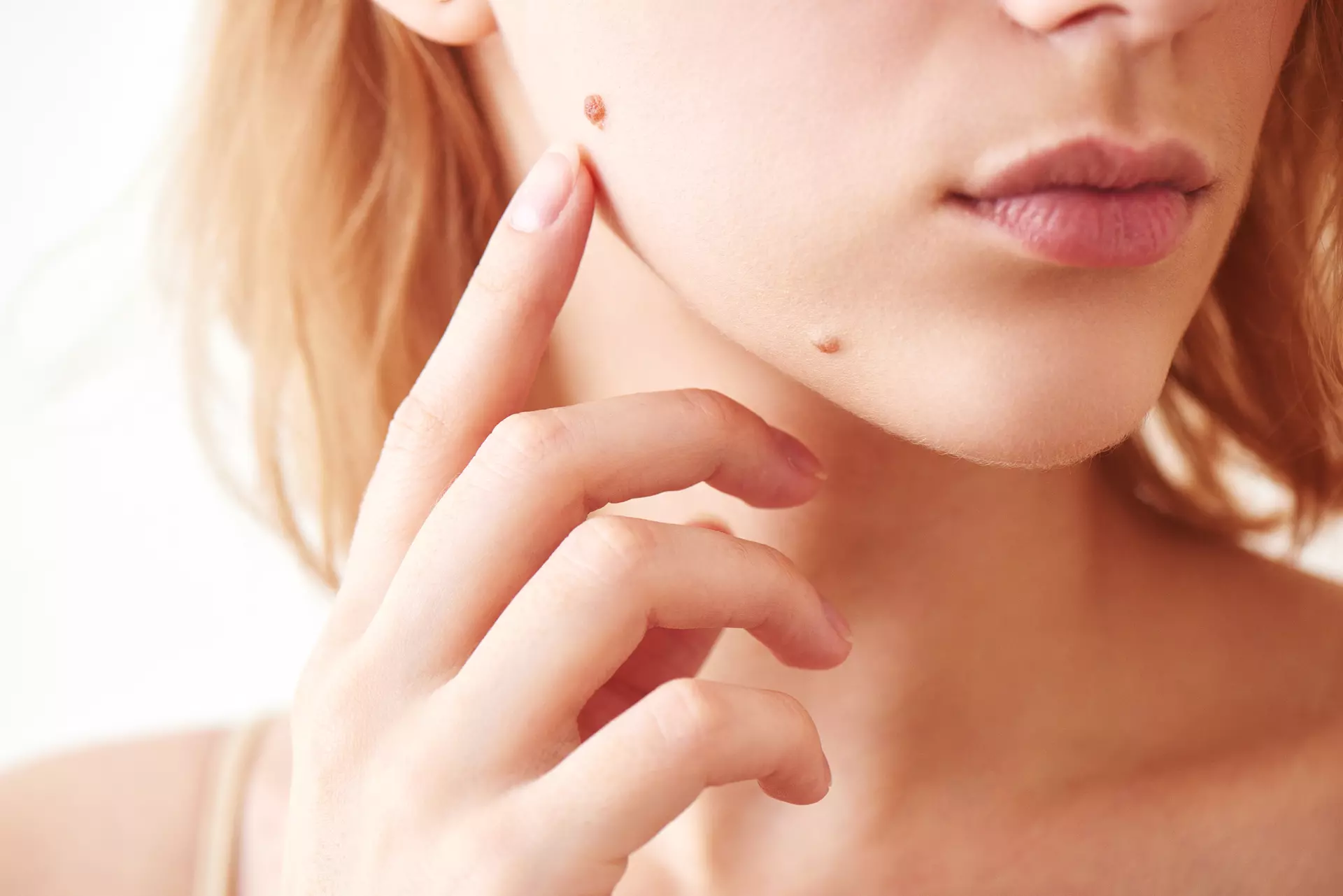
A new spot, a mole that looks different than it used to, or a lesion that keeps catching on clothing deserves a closer look. At Laura E. Babe, M.D. in Ann Arbor, MI , Dr. Laura Babe performs thorough skin examinations, evaluates suspicious moles with dermoscopy, and removes lesions in the office when needed. Because our practice is affiliated with MDVIP, Dr. Babe spends more time with fewer patients, so your skin concerns get the attention they deserve.
Request an AppointmentWhat Is a Mole Check?
A mole check is a head-to-toe examination of your skin to look for moles, spots and growths that may need further evaluation. As part of the MDVIP annual wellness exam, Dr. Babe performs a full skin examination, including dermoscopic evaluation of any suspicious lesions. Dermoscopy uses a lighted magnifying tool that lets the physician see structures and color patterns below the surface of the skin that are not visible to the naked eye, which helps distinguish harmless moles from those that need a closer look.
Depending on what the exam shows, management may include:
- Cryotherapy (freezing) for warts or pre-malignant lesions
- Biopsy of questionable areas to confirm a diagnosis
- In-office removal of moles and other lesions
- Referral to a dermatologic surgeon for more extensive evaluation or treatment
Signs a Mole Should Be Checked
Most moles are harmless, but some changes are worth bringing to your physician’s attention. A helpful guide is the ABCDE checklist:
- Asymmetry: one half of the mole does not match the other
- Border: edges that are ragged, notched or blurred
- Color: uneven color or several shades of brown, black, red or blue
- Diameter: larger than about a pencil eraser
- Evolving: any change in size, shape, color or height, or new itching or bleeding
You should also schedule a visit for a new mole that appears in adulthood, a sore that does not heal, or a spot that simply looks different from your other moles.
How Are Moles Treated?
Dr. Babe examines moles and lesions to assess their depth, size and location before determining the most appropriate removal method. Lesions that are only on the surface of the skin may be treated with minimally invasive, nonsurgical techniques. Deeper moles may require excision, a minor surgical procedure. During an excision, Dr. Babe uses local anesthesia to numb the area, removes the lesion, and carefully sutures the wound to achieve optimal results with minimal scarring. Mole removal is one of several minor procedures performed right in our Ann Arbor office.
Benefits of Mole Checks and Mole Removal
Whether you have a suspicious mole or want one removed for cosmetic reasons, our practice provides safe and effective removal for healthier, clearer skin. Benefits include:
- Earlier detection of skin cancer
- Prevention of potential malignancy
- Relief from irritation or discomfort caused by moles that rub or catch
- A simple outpatient procedure with little to no discomfort
- Fast healing and minimal scarring
- Improved confidence and self-esteem
Personalized Care Through MDVIP Membership
Laura E. Babe, M.D. is affiliated with MDVIP, a national network of concierge-style primary care physicians providing personalized care through membership. Our practice devotes more time to fewer patients, allowing Dr. Babe to personally address your concerns and follow up when treatment is needed. We also offer aesthetic services for skin concerns such as photodamage, prominent facial capillaries, and benign but bothersome pigmented lesions. Aesthetic services do not require a membership.
Mole Check FAQs
How often should I have a skin check?
Most adults benefit from a full skin examination once a year, which is why Dr. Babe includes one in the MDVIP annual wellness exam. People with many moles, a history of sunburns, or a personal or family history of skin cancer may need more frequent checks.
What happens during a mole check?
Dr. Babe examines your skin from head to toe, including areas that are hard to see on your own. Any spot that looks unusual is evaluated with dermoscopy, a lighted magnifying tool that shows details beneath the skin’s surface.
Does mole removal hurt?
Most patients feel little to no discomfort. Surface lesions may be treated with nonsurgical techniques, and for deeper moles that require excision, Dr. Babe numbs the area with local anesthesia before removing the lesion.
Will mole removal leave a scar?
Any removal can leave a mark, but Dr. Babe chooses the technique based on the mole’s depth, size and location and carefully sutures excisions to achieve optimal results with minimal scarring.
Can I have a mole removed for cosmetic reasons?
Yes. Many patients have benign moles removed because they are bothersome, catch on clothing or affect their appearance. Dr. Babe will evaluate the mole first to make sure removal is appropriate.
What happens if a mole looks suspicious?
Dr. Babe may perform a biopsy so the tissue can be examined in a lab. Depending on the findings, she may treat the area in the office or refer you to a dermatologic surgeon for more extensive evaluation or treatment.
Do I need an MDVIP membership for a mole check?
Full skin examinations are part of the MDVIP annual wellness exam for members. Our aesthetic services for concerns like photodamage and benign pigmented lesions do not require a membership. Call our office to learn which option fits your needs.
Have a Spot You Are Unsure About?
Do not wait for a mole to change before getting answers. Call Laura E. Babe, M.D. at (734) 761-2165 to schedule a skin examination with Dr. Babe in Ann Arbor, MI and learn more about our personalized approach to care.